My Journey in Robotics · From DIY Drone Hobbyist to Apple Robotics Lead
Curiosity, Passion,
and Learning to Learn

How building projects — drones, robots, RC trucks — can compound into a career.

The Foundation
Logic meets the physical world

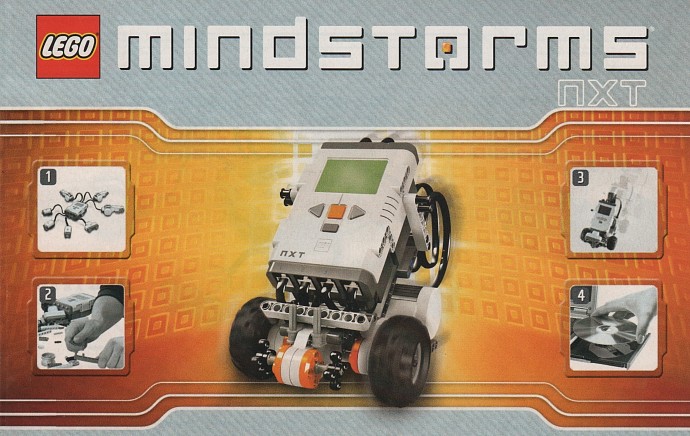
Lego Mindstorms was my first real introduction to robotics. The realisation that logic could control physical things changed everything.

Lego Mindstorms
The Foundation
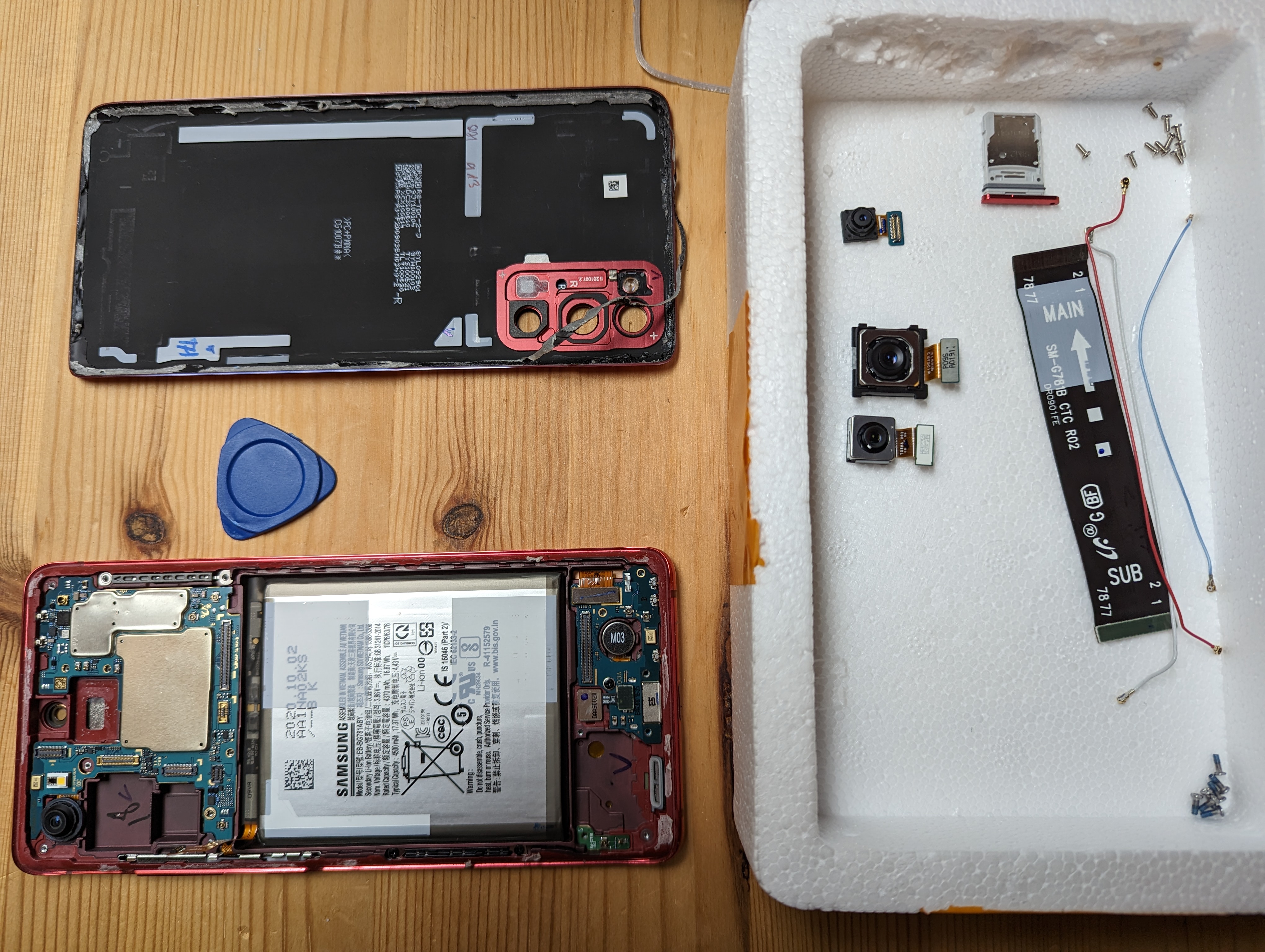
Taking things apart

I've been fixing electronics since I was a kid — opening things up just to see how they worked. That instinct was the seed of everything.

phone teardown
The Skills Behind the Projects
Every project I built was preparing me for the next.

The skills didn't come from a curriculum.
They compounded, one project at a time.

Lego Mindstorms
Electronics / Tinkering
Soldering
3D Printing
Custom Drones
The Expected Path
Meanwhile, I followed the expected path.
🎓
B.Sc. Electrical Engineering
The degree everyone said to get.
💍
Got Married
The milestone everyone expected next.
💼
Started Working in Industry
A real job at BMW. Stable. Predictable.

Nothing wrong with that.
But the curiosity didn't stop.
The side projects were just getting started.

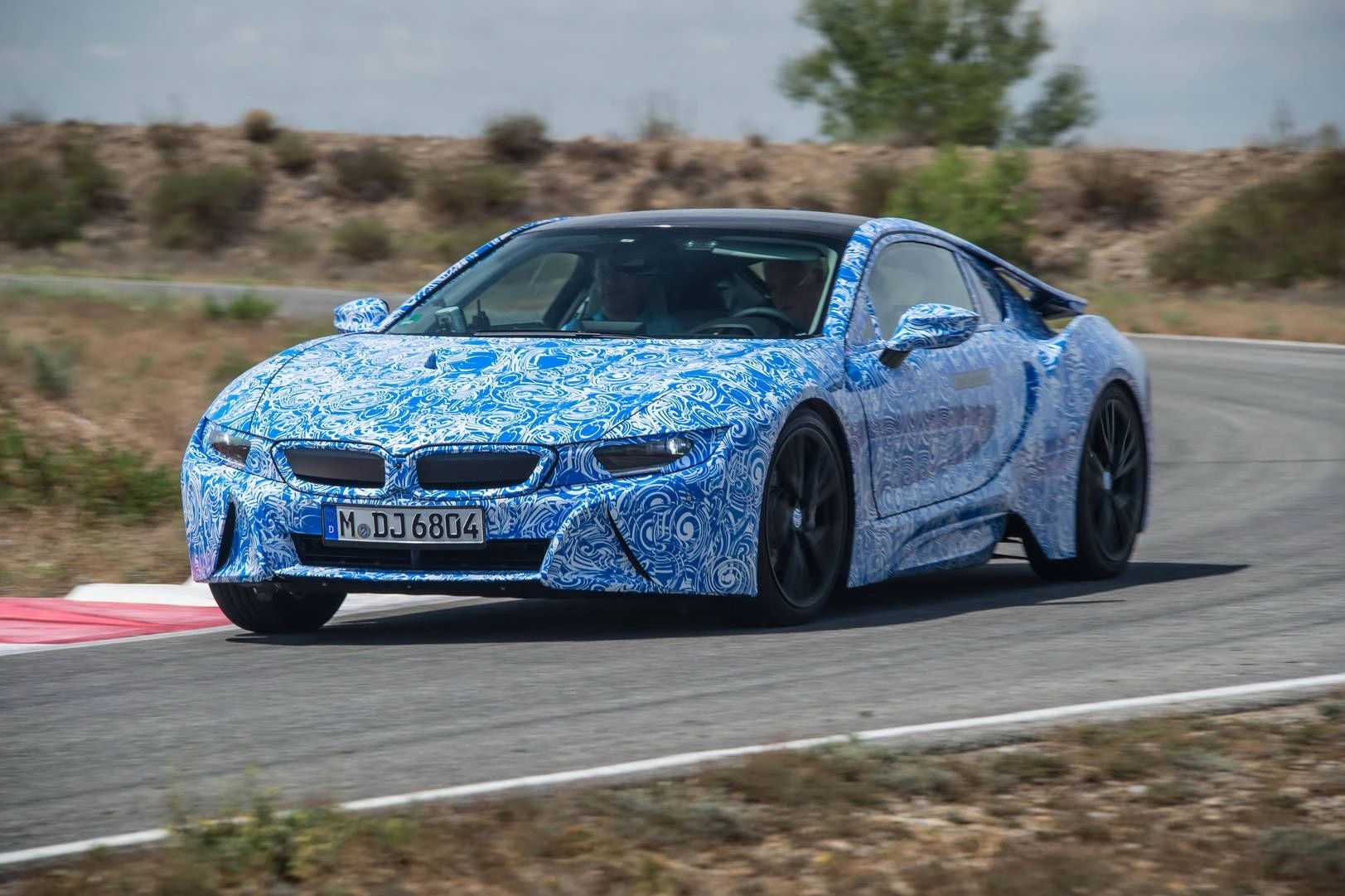
BMW i8 prototype
BMW
The dream job.
The Work
Developing mild-hybrid alternators — now in most cars on the road. Test driving early prototypes like the BMW i8.
Not Actually Fulfilling
But the basement called
every weekend.
On paper
Great company. Exciting technology. Good salary.
The job everyone wanted.
In reality
Managing suppliers instead of doing the engineering. Status meetings. Not building.
Every weekend
Back in the basement. Drones. Electronics. Building things with my own hands.

When your hobby is more fulfilling than your job.
That's a signal worth listening to.

Starting Over
I quit.

BMW felt like the void. So I left — driven by instinct, not comfort. Managing suppliers wasn't why I studied engineering.

Decision 1
Left BMW
Desiring hands-on work over project management.
Then I started over.
Decision 2
MS in EE Communications
Theoretical. Not applied. Still not quite right.

Started a Master's in Electrical Engineering, focused on communications theory. But it was not a great fit, and the next decision only took a few months.

Decision 3
Changed Topic & Adviser
Computer Vision. Building. Following the passion.
Finding Computer Vision
Giving machines eyes to see

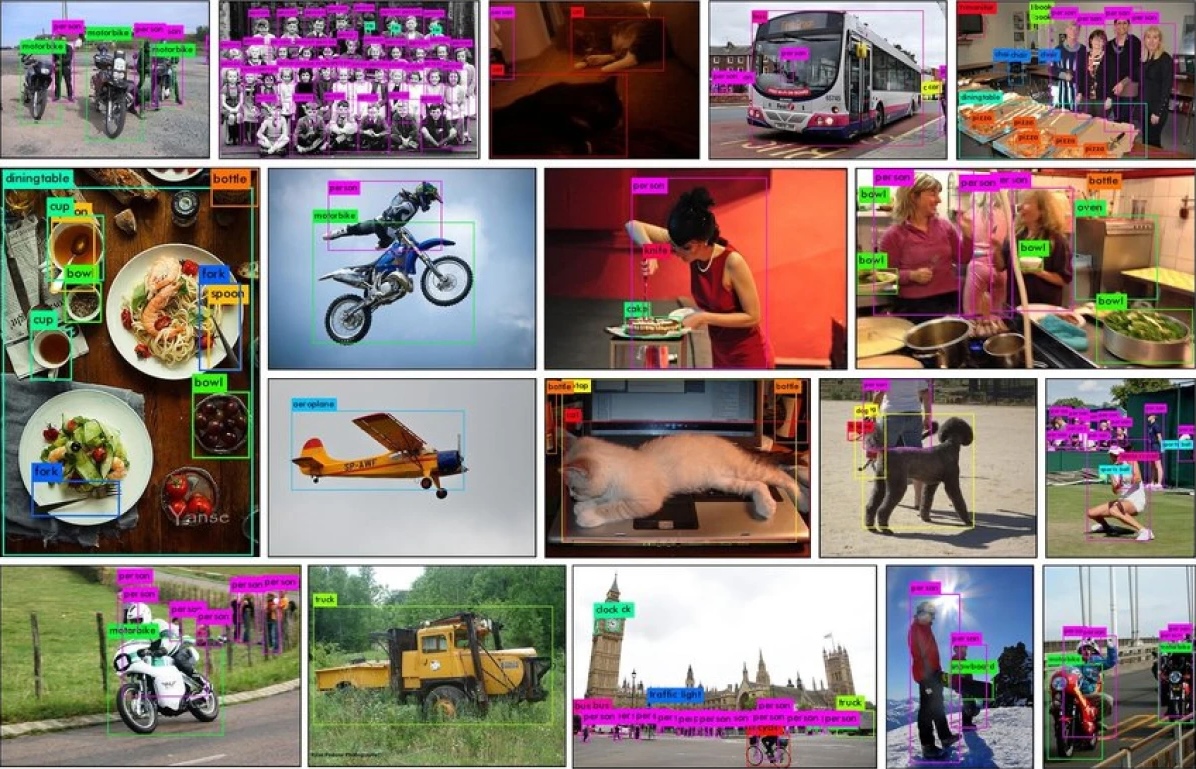
Computer vision — the idea that machines could see and interpret the world — instantly clicked. This was the direction worth chasing.

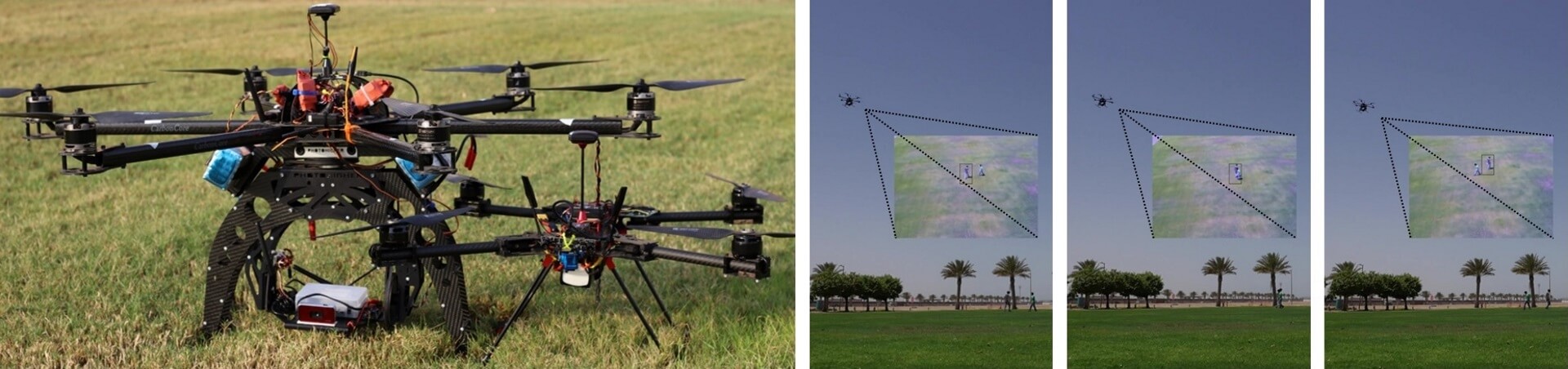
The hobby drones and the academic research were pointing at the exact same problem — deploying algorithms onto physical hardware.

COCO object detection

This is where hobby and career started to become one.

The PhD Breakthrough
The tracks were merging.
Now I could run.

Deploying computer vision algorithms onto drones — research that only worked because of a decade of tinkering experience that preceded it. Personal projects and career were converging.

PAT research drone and tracking
The PhD Breakthrough
From obsession to publication

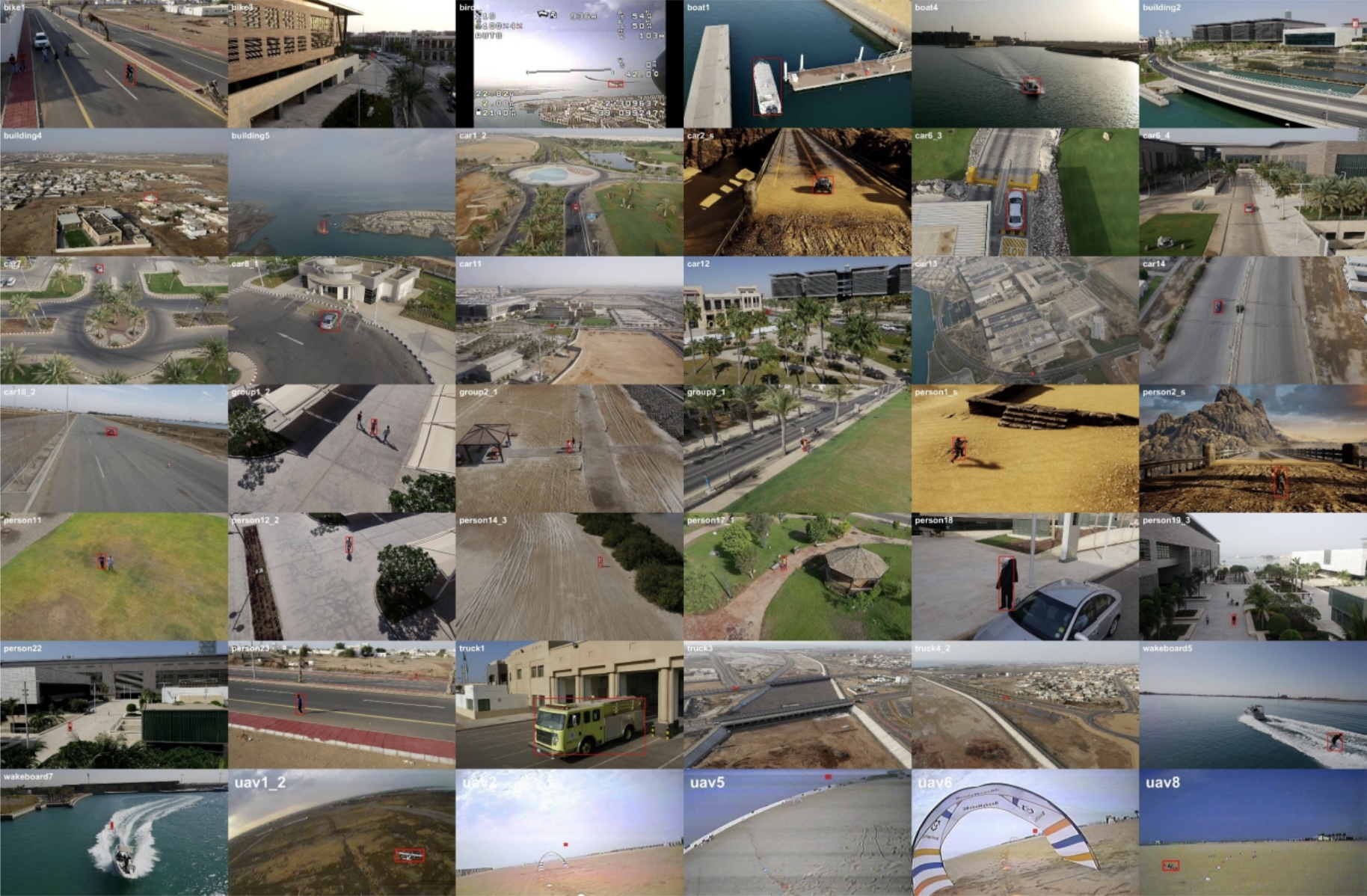
We created UAV123 — the first large-scale dataset for tracking objects from drones. That was the moment I officially became a Robotics Researcher.

UAV123 dataset

CV Algorithms + Hobby Drones → Research

A Career Built in the Margins
Two tracks running in parallel
THE CAREER TRACK
Bachelors (EE) → BMW (Project Mgmt) → MS/PhD [Computer Vision + Robotics]
THE HOBBY TRACK
Lego Mindstorms → Fixing Electronics → Custom Drones → Computer Vision + Robotics

The hobby track ran quietly alongside the career track — and eventually took over.

The Early Drone Days
The hobby that built the foundation

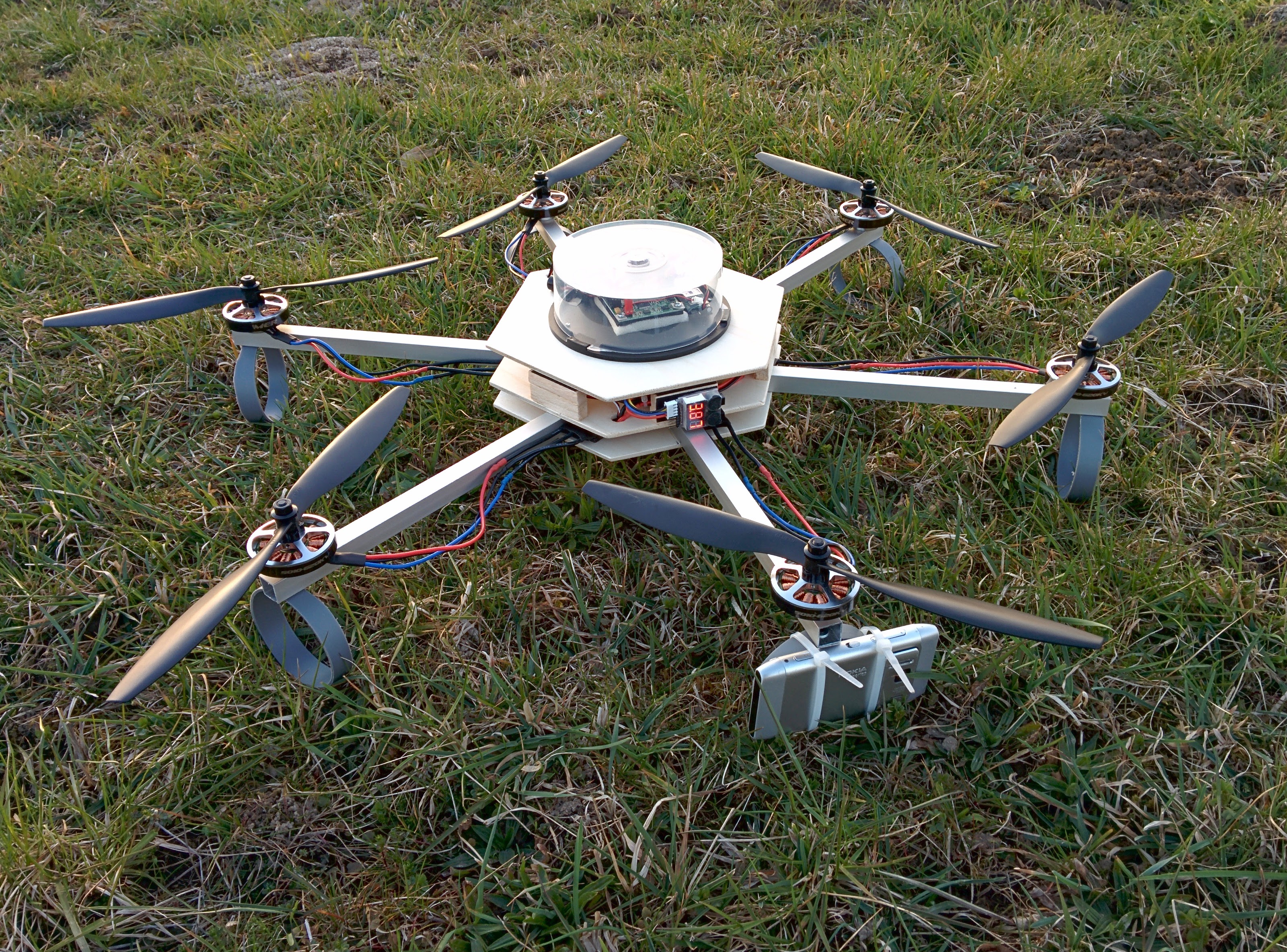
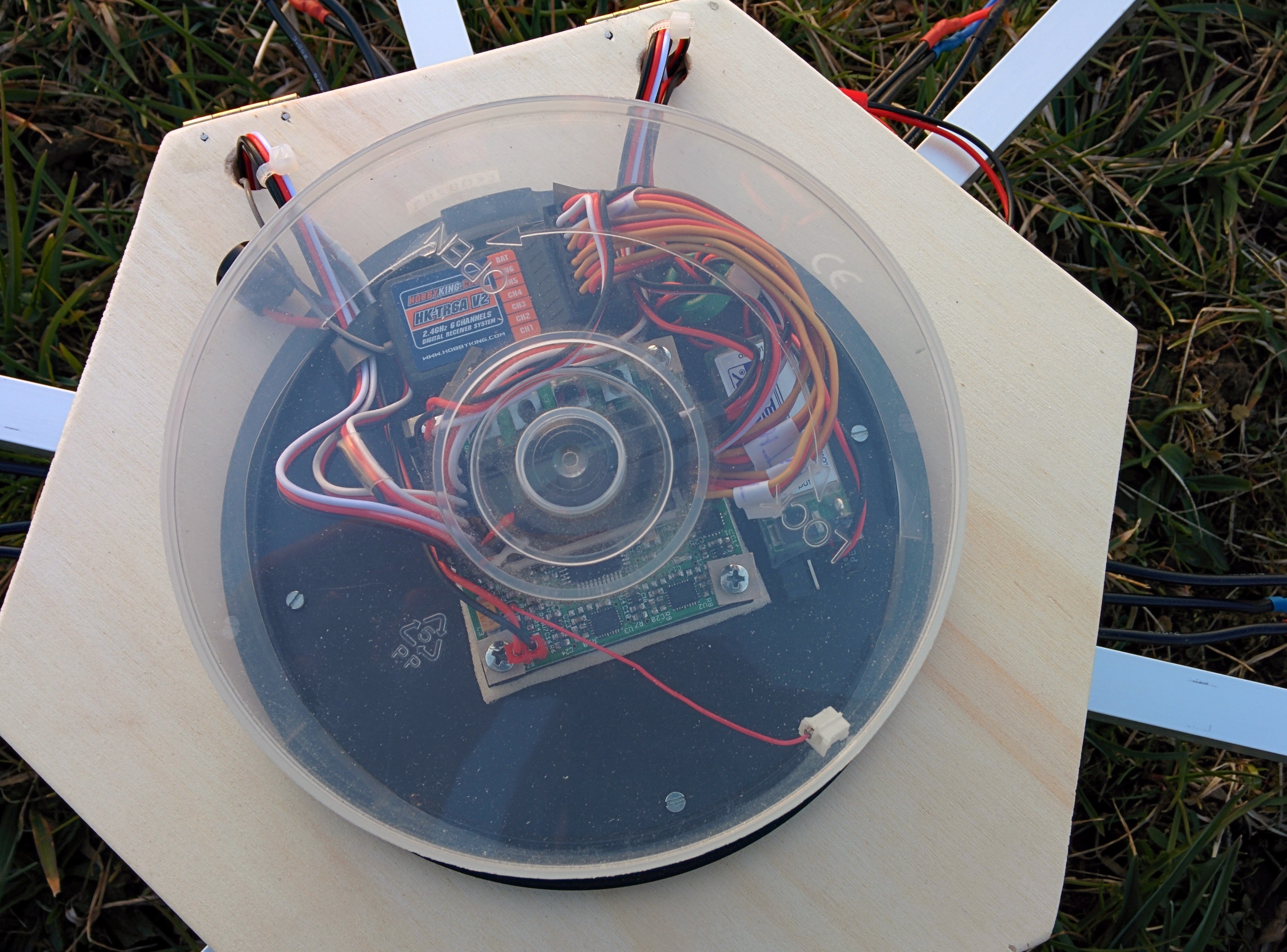
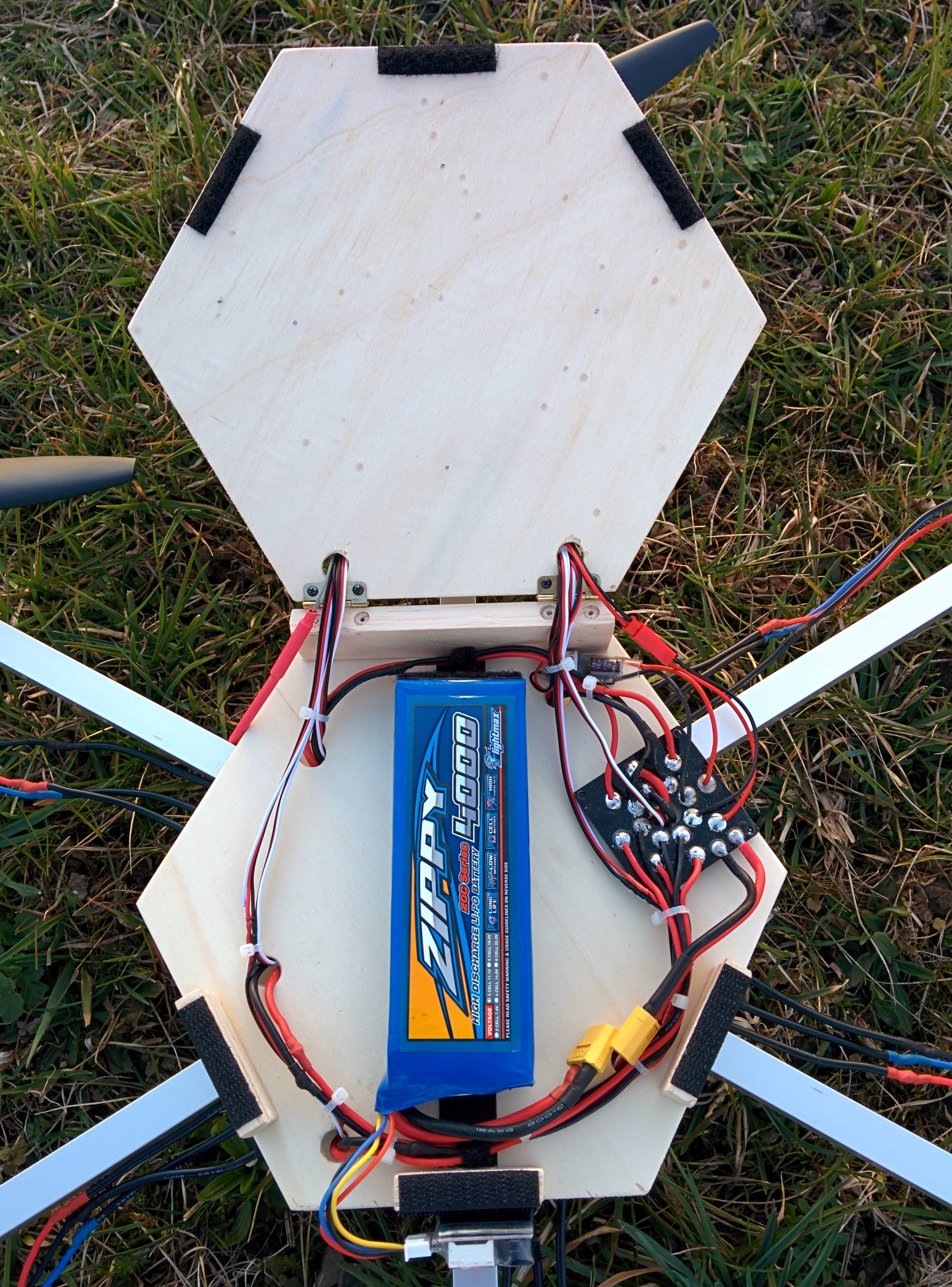
Long before drones were everywhere, I was building custom ones from cheap off-the-shelf parts — not for a grade or a job. Pure obsession.

Intel Internship
Fun with a budget

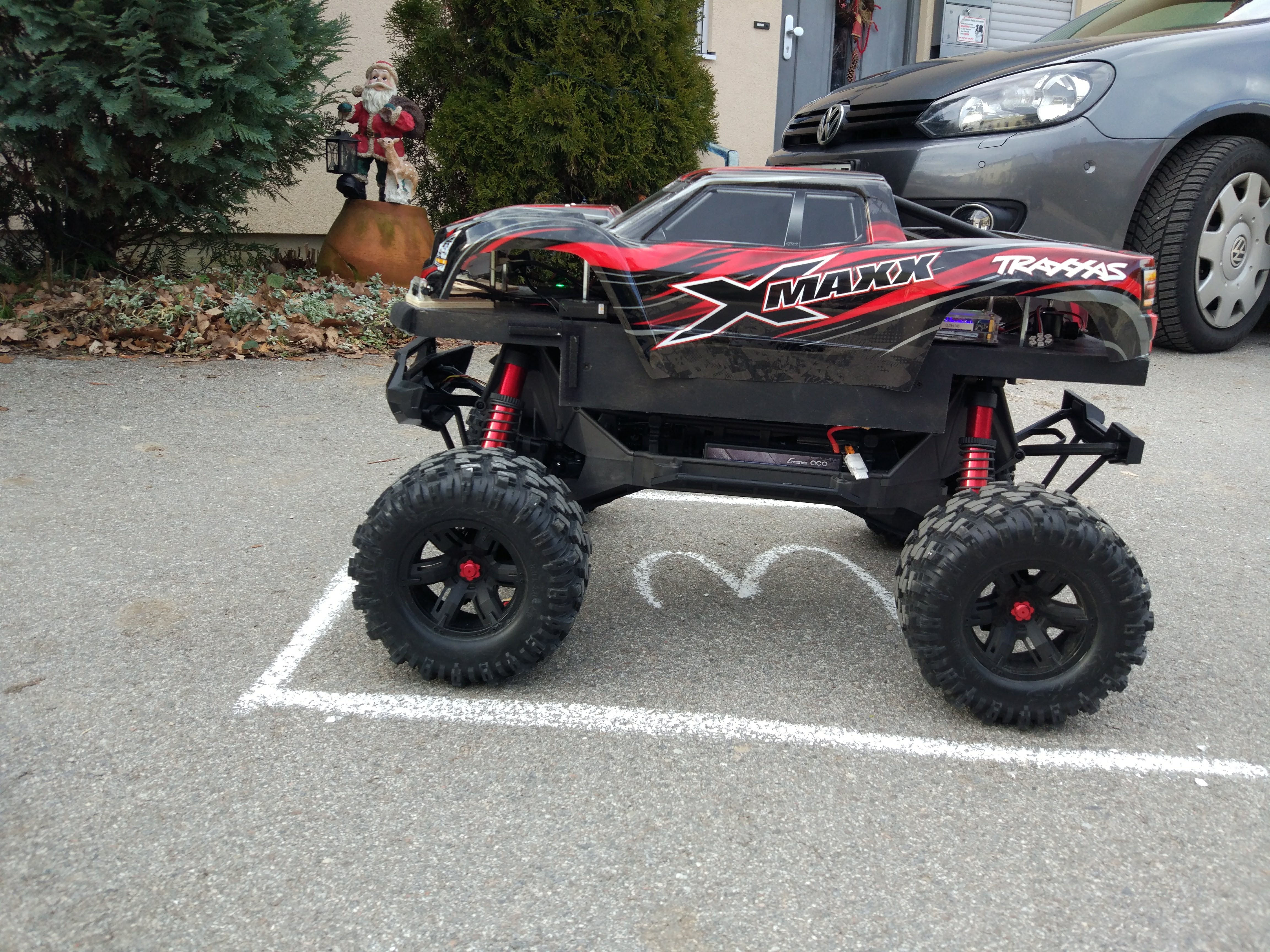
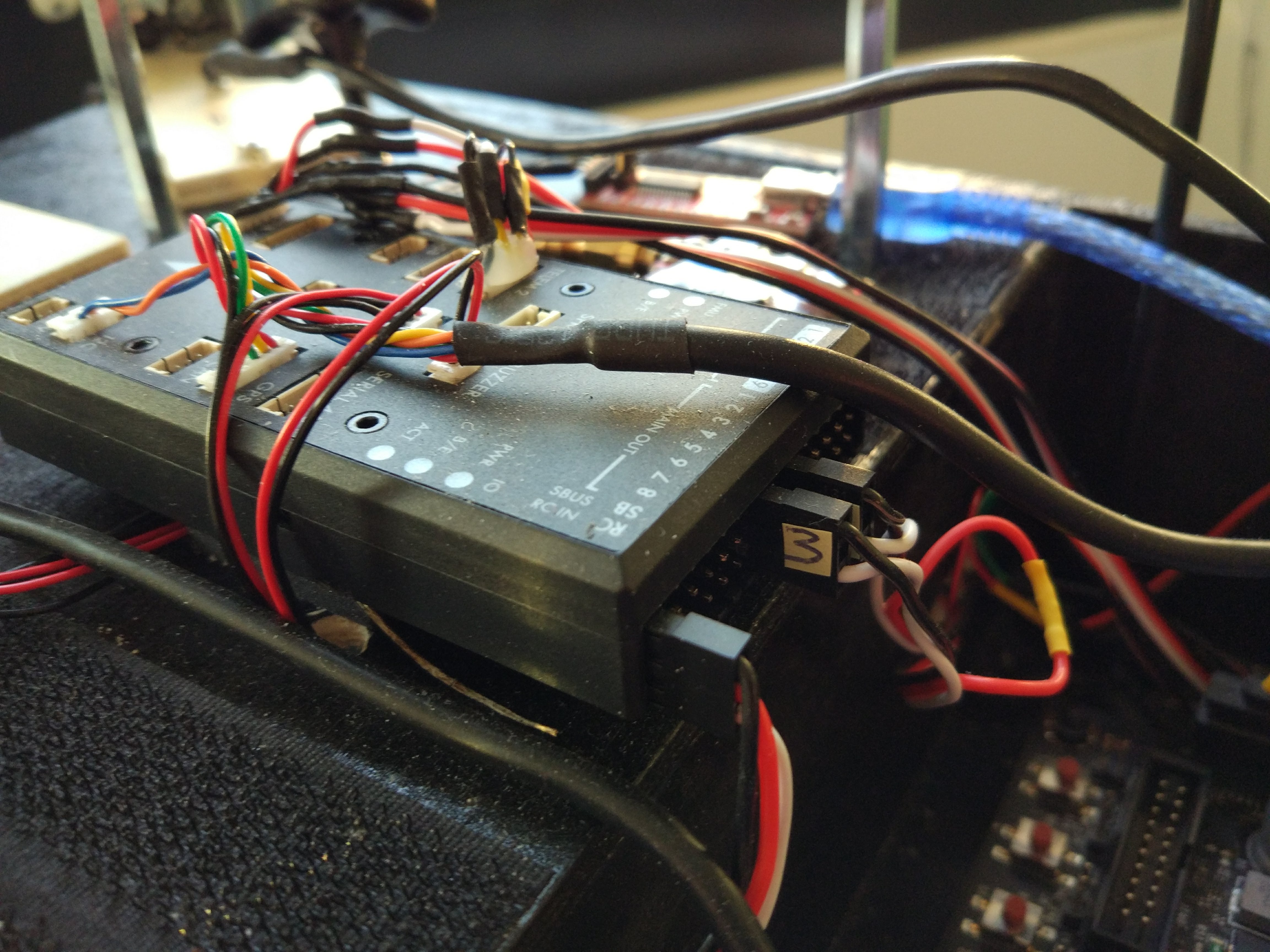
At Intel I proposed building a 1:5 scale RC truck retrofitted for autonomous driving research — industry money funding a hobby.

RC truck exterior
RC truck electronics
OpenBot
Scaling the hobby

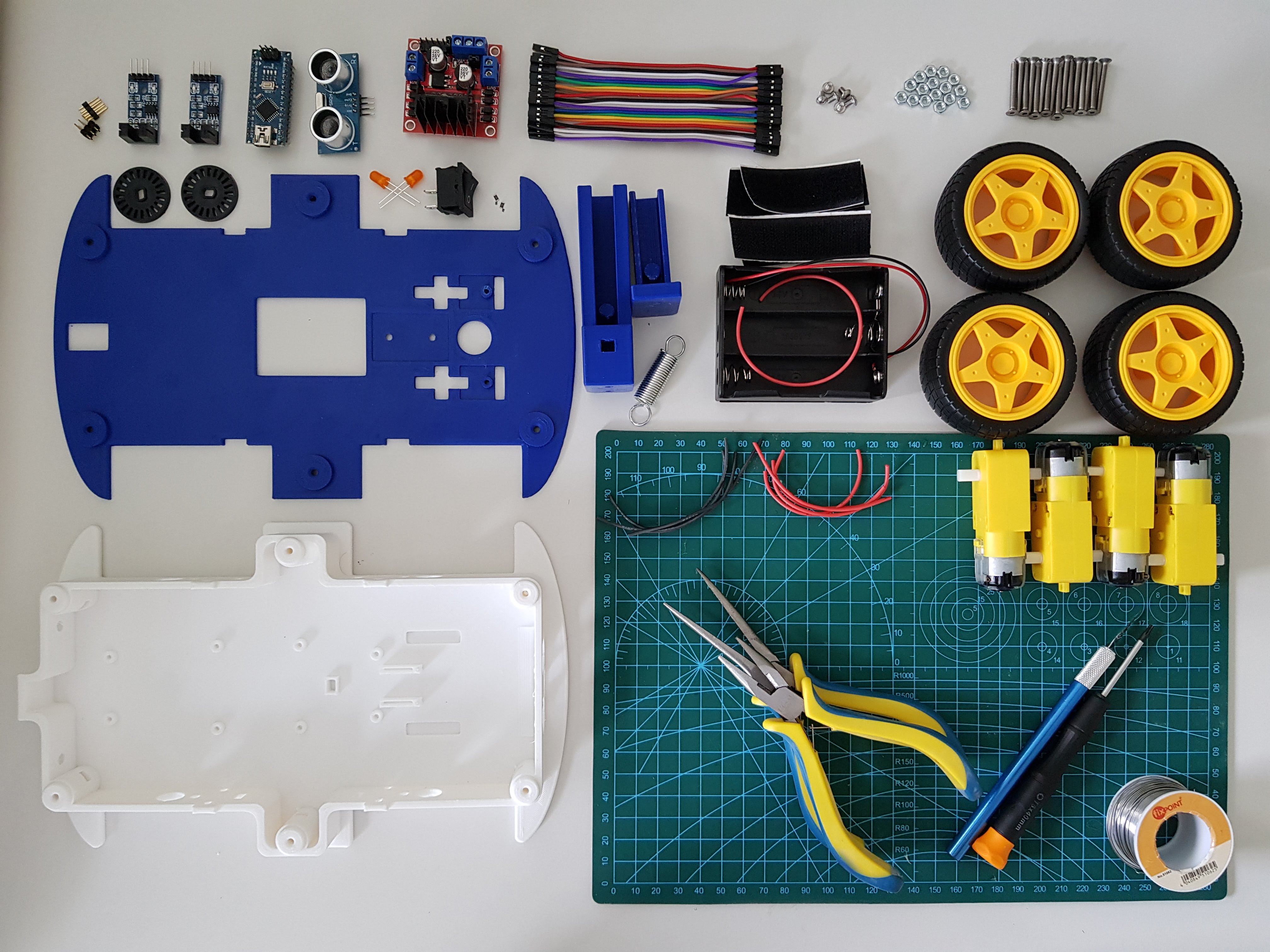
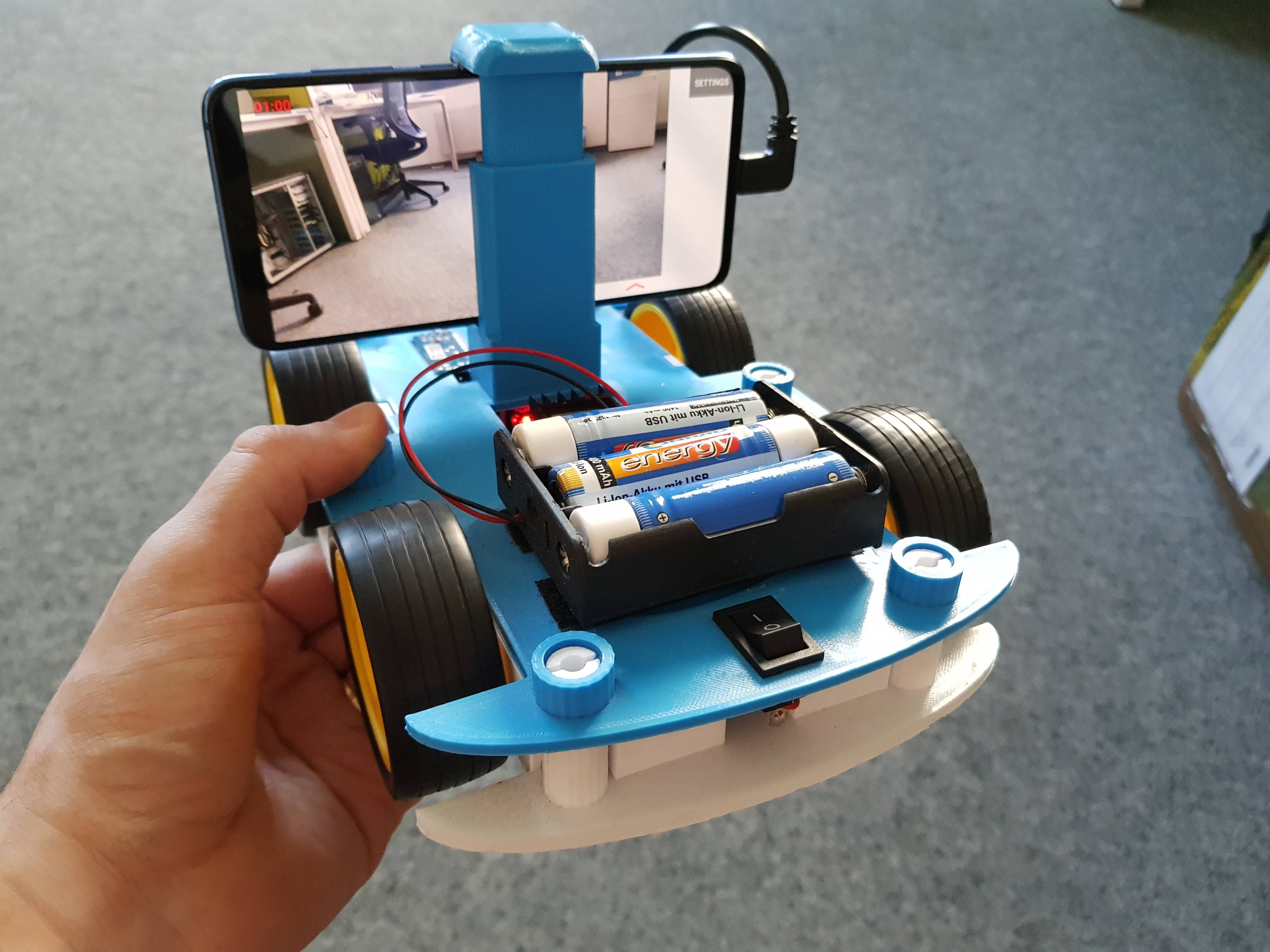
Once full-time at Intel, I started OpenBot — world-class autonomous robotics for under $50. It started as fun. It's now used in education worldwide.

OpenBot DIY
OpenBot hand
OpenBot
From DIY to product

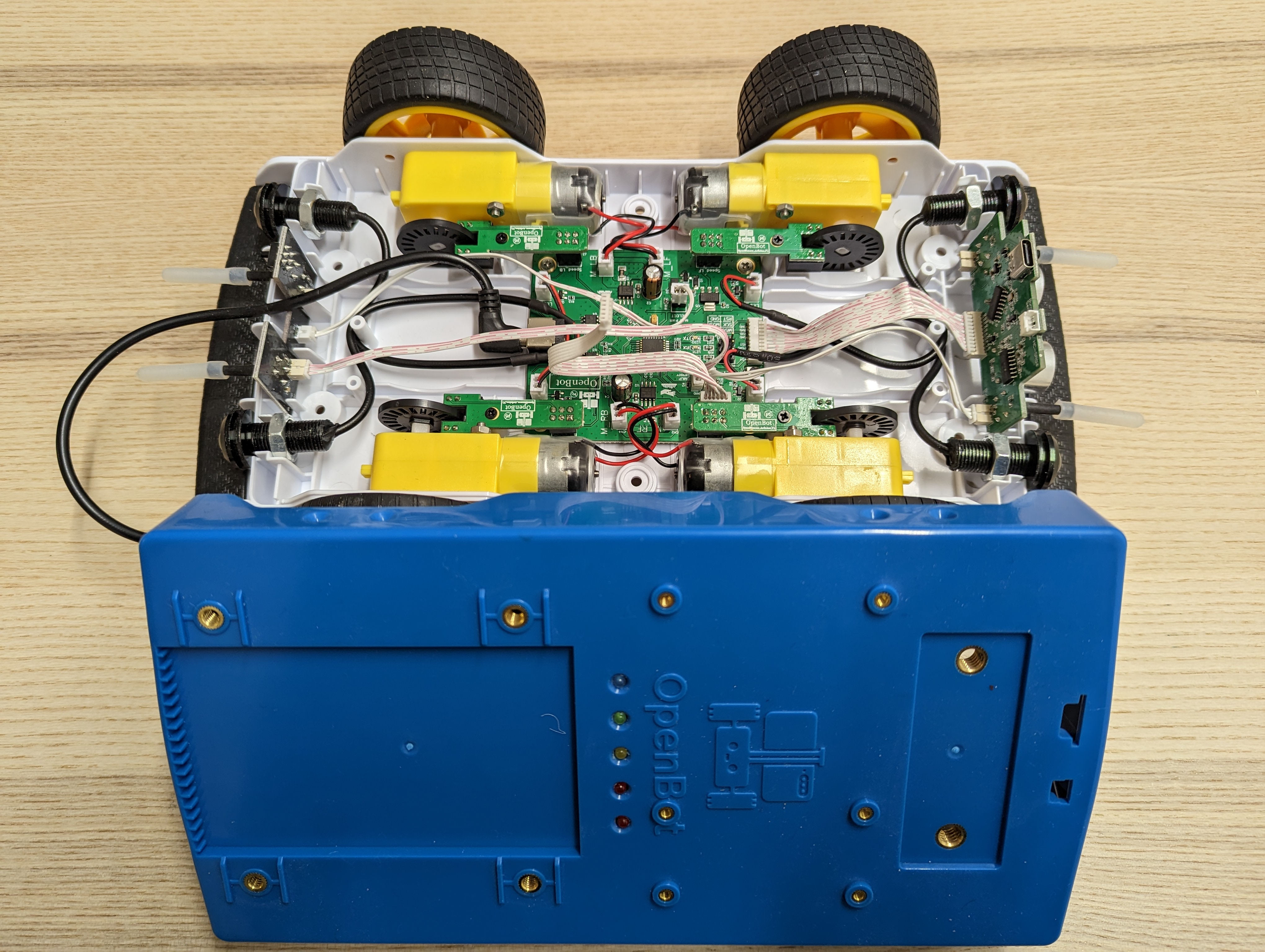
Injection-molded chassis, integrated electronics —
a polished platform ready for classrooms and research labs.

OpenBot designed
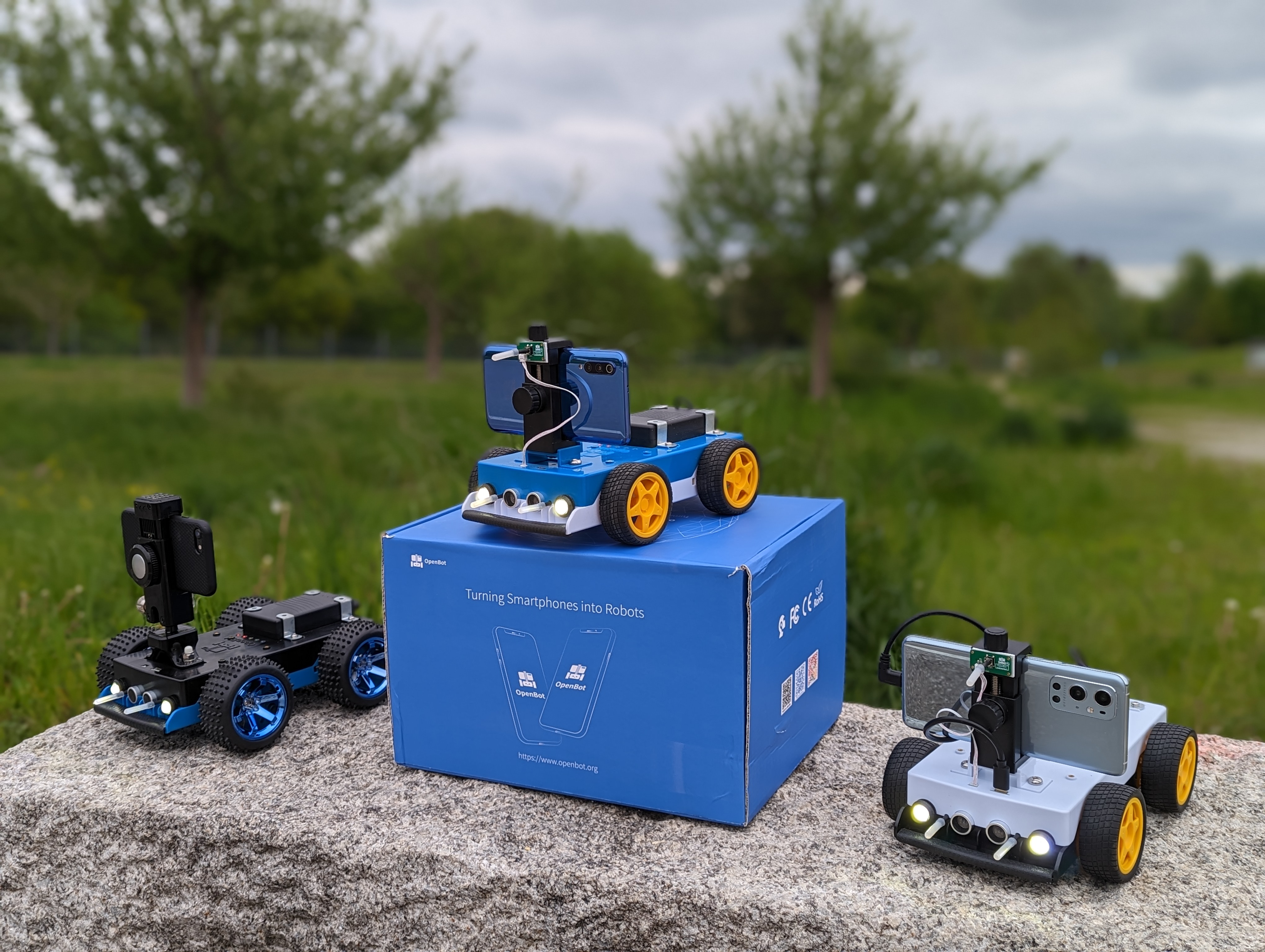
OpenBot fleet
OpenBot · World-Class Robotics for $50
The brain + the body
The Brain
Your smartphone — powerful processor, full sensor suite, communications — in your pocket.
The Body
Inexpensive, customisable
3D-printed hardware.
Commodity parts under $50.
The Software
Block-based playground or raw Python/Jupyter notebooks. Autonomous navigation, obstacle avoidance, person following.
OpenBot in Action
OpenBot
A fun project took on a life of its own
and reached education worldwide.
The Takeaway
Each project unlocked the next.
Skills compounded.

The career became the canvas. Once the tracks merged, the resources of a career amplified what used to be a hobby. Getting paid to build the things you'd build anyway — that's the dream.

Drones
PhD research
→ UAV123 — first large-scale drone tracking dataset
RC Truck
Hobby project, industry budget
→ Highly cited paper · led to full-time offer at Intel
OpenBot
Personal passion, global scale
→ Used in education worldwide · $50 per robot

None of it was planned. All of it started as a fun project.

Avoiding the Prestige Trap
From builder to team lead and back

I led Intel's Embodied AI Research lab. Built strategy and managed teams. But I missed the technical work.

So I made a deliberate step: move to Apple as an Individual Contributor. Get my hands dirty again.

Team Lead at Intel
Strategy & teams. The void returns.
IC at Apple
Hands-on. Cool technical problems.
Organic Growth
2 people → small group → all robotics research

Leadership grew out of doing the work.

Lessons
Looking back and forward

Lessons from more than a decade of building —
and the shift that's rewriting the rules.

The Evolution of Engineering Value
From "How" to "What & Why"
Definition of Expert
Knowing the syntax of a tool
Understanding the
whole system, end-to-end
Primary Value
Tool Mastery — How to build it
Problem Framing
What & Why
The Risk
Obsolete when the tool changes
Falling behind
if you stop learning

Tool-specific skills are outdated in years, not decades.

Future-Proof Engineering
The meta-skills
algorithms can't replicate
Learning Agility
The ability to learn, unlearn, and relearn quickly as the
landscape shifts.
Pattern Recognition
Making connections across domains — e.g., how a drone algorithm solves a problem in a warehouse or a car.
Critical Thinking
Assessing if an AI's output is actually right — or just sounds right.
Human Connection
Nurturing strong personal and professional networks for stability and collaboration.

AI is a force multiplier — be the force. Delegate execution, not understanding.

AI as Tool, Not Crutch
The AI interaction spectrum
Do It Yourself
Roll up your sleeves.
No AI.
✓ Learning, edge cases, high stakes
⚠ Autopiloting through the hard parts
Debate
Stress-test your view
with AI.
✓ After forming your own view
⚠ Before you've thought at all
Delegate
Hand off the work
that won't sharpen you.
✓ Mechanical, repetitive work
⚠ Work that sharpens you

Don't default to delegate.
AI as tutor extends you. AI as crutch replaces you.

Stop Consuming. Start Building.
You don't prepare for the opportunity.
Projects are the preparation.
Build
Build what excites you.
Ignore prestige.
Stretch
Aim beyond your current skill.
That's where growth lives.
Compound
Pick projects that
unlock the next.

Curiosity today. Opportunity tomorrow.
Build now. Be ready always.

Final Thought
"The way to do great work
is to love what you do."

— Steve Jobs, Stanford Commencement, 2005

Get Ready. Start Now.
Get ready.

Follow your curiosity and passion. When the big opportunity comes, you won't have time to prepare — you need to be ready, and you are, because you've been building for years. Don't wait for a perfect plan.

Start now.
One More Thing
This presentation
was a project.
Before
PowerPoint. Keynote. Google Slides.
This time
Static HTML. Pure code. No slides app.
Built with
Claude Code — AI as collaborator, not crutch.
View online
QR code
Scan to open this presentation.

Stay curious. Find interesting projects. Never stop learning.